Recently, I was asked to speak on this topic. My topic was “I am a recovering Chocoholic”. I shared my story with the ladies in attendance and described how even this addition was somewhat debilitating. Food additions, substance addictions, with any of these things we might need assistance. The need for chocolate EVERY day was real for me for many years. I later came to understand that it was the “caffeine” my body was addicted to and craved. I was intentional in taking the necessary steps to overcome this addiction. Cravings are not moral failures; they are neurological signals. Addiction alters the brain’s reward and impulse-control systems, making urges feel urgent and overwhelming. Understanding this helps remove shame and replaces it with compassion and strategy.
Scripture reminds us, “God has not given us a spirit of fear, but of power, love, and a sound mind” (2 Timothy 1:7). A sound mind is not the absence of struggle—it is the presence of tools that help us respond rather than react.
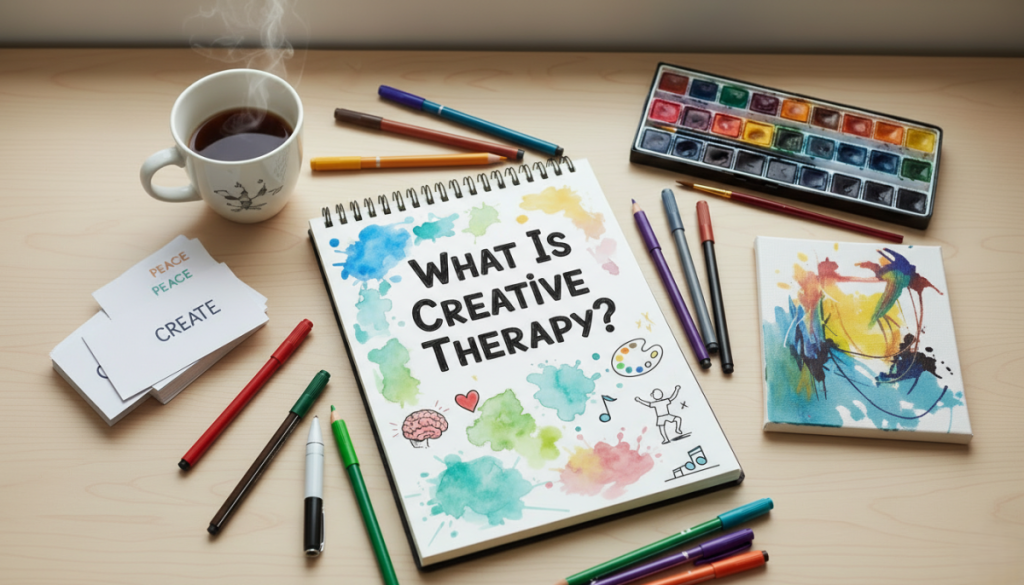
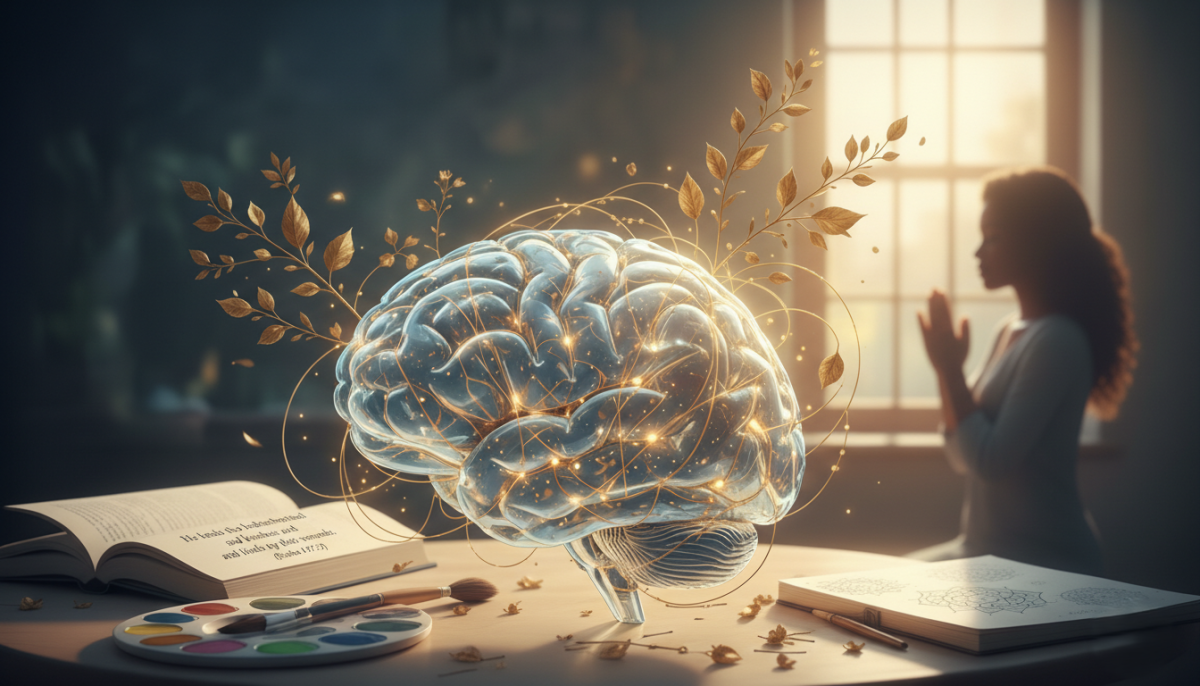
Neuroscience explains that cravings activate the amygdala, the brain’s threat center, while reducing access to the prefrontal cortex, which governs reasoning and self-control. Creative activities help reverse this pattern. Focused creativity—such as coloring, sketching, or journaling—engages attention, slows breathing, and calms the nervous system, creating a pause between urge and action.
Research from Harvard Health shows that mindfulness-based practices reduce impulsivity and strengthen emotional regulation. Creativity functions similarly by grounding the mind in the present moment. When paired with prayer or scripture meditation, creative focus becomes a faith-centered grounding practice.
At WGTS, creative therapy is designed to support recovery moments when cravings feel strongest. A coloring page, reflective prompt, or scripture-centered activity provides the brain with a constructive alternative pathway.
Cravings may not disappear immediately, but each moment of creative redirection strengthens new neural pathways. With repetition, the brain learns that peace is possible without returning to destructive habits.
Healing is not about perfection—it is about persistence.
Citations:
- – 2 Timothy 1:7
- – Harvard Health Publishing (2022)
- – Mayo Clinic (2023) – Addiction and stress