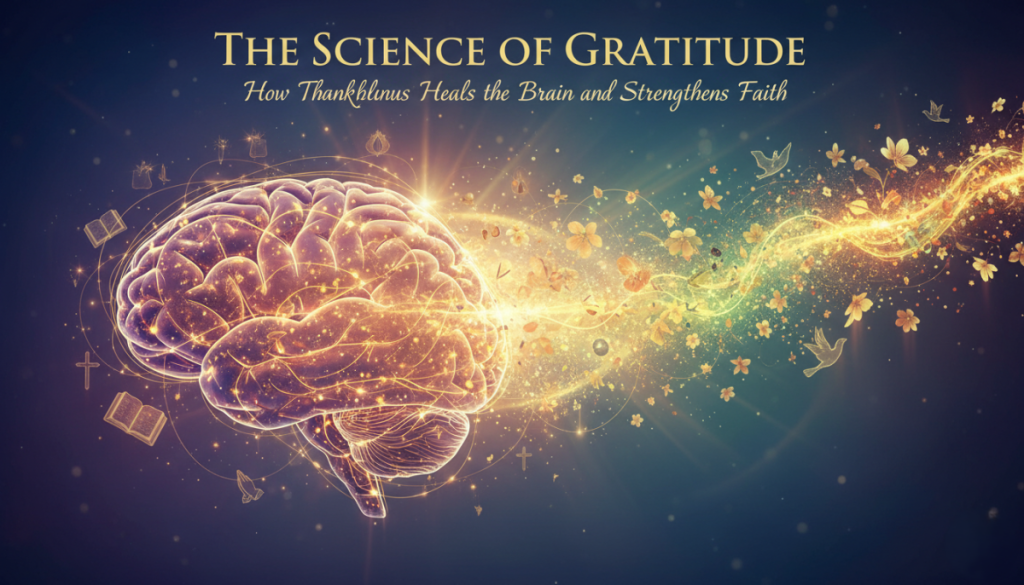

Relational trauma leaves deep imprints on the brain. Betrayal, abandonment, neglect, or repeated disappointment can teach the nervous system that connection is unsafe. As a result, the brain shifts into protection mode, prioritizing vigilance over vulnerability.
Scripture offers comfort and grounding in these moments: “The Lord is my refuge and my fortress, my God, in whom I trust” (Psalm 91:2). Trust begins not with people, but with God’s consistent presence.
Neuroscience shows that trauma disrupts the brain’s ability to assess safety accurately. The amygdala becomes hyper‑alert, while the prefrontal cortex—responsible for reasoning and emotional regulation—may go offline. Healing requires experiences that gently restore a sense of safety.
Creative therapy provides a low‑risk pathway for this restoration. Activities like coloring, journaling, and guided reflection calm the nervous system and reintroduce predictability. When creativity is practiced in safe environments, the brain begins to associate calm with connection again.
Faith deepens this healing by anchoring trust beyond human behavior. Prayer, worship, and scripture meditation activate brain regions associated with compassion, hope, and long‑term thinking. Over time, these practices help the brain replace fear‑based responses with trust‑based ones.
Rebuilding trust after trauma does not mean rushing reconciliation or ignoring boundaries. It means allowing healing to happen at a pace the brain and heart can sustain. Through creativity and faith, safety is slowly restored, and hope takes root again.
Citations:
- – Psalm 91:2
- – Psychology Today (2021) – Trauma and trust
- – Mayo Clinic (2023) – Trauma recovery