
Photo by Sincerely Media on Unsplash
Once we interrupt a habit, the next challenge is what to do in its place. Many people attempt to eliminate a behavior without replacing it, only to find themselves slipping back into the same pattern. The reason is simple: the brain does not delete habits—it replaces them.
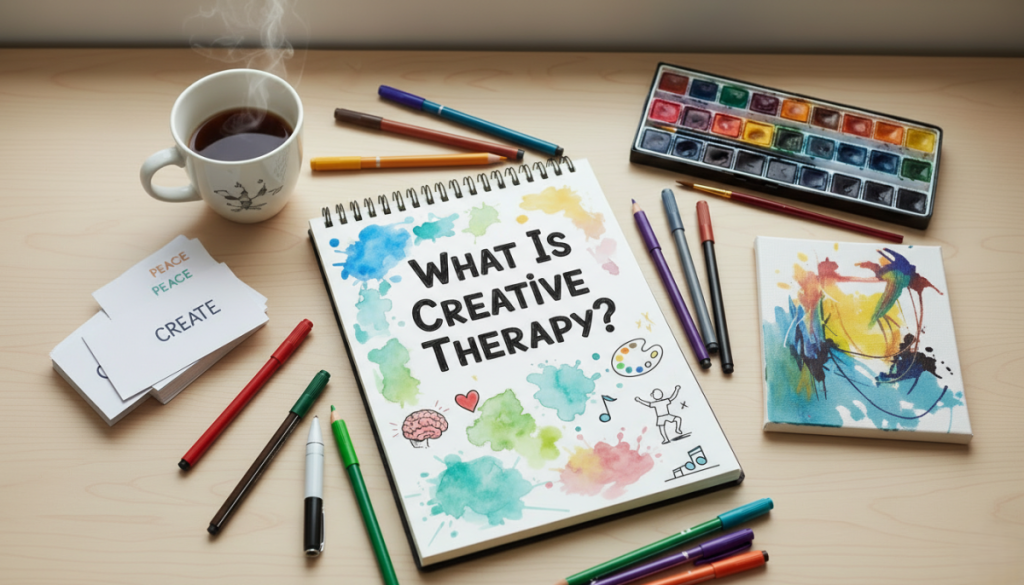
This became very real for me when I stopped eating after 7:00 PM. The question quickly became, “What do I do instead?” My brain was used to that time being filled with eating, so I needed to give it a new pattern to follow. I began replacing late-night eating with tea, quiet reflection, and sometimes journaling or coloring. What once was a time of consumption became a time of calm.
Neuroscience supports this approach. Habits are stored in neural pathways, and when one pathway is weakened, the brain looks for another to reinforce. Without replacement, the brain will often return to the strongest existing pattern. This is why replacement is essential for sustainable change.
Scripture reminds us in Ephesians 4:22-24 to “put off your old self… and put on the new self.” This is not just about stopping something—it is about becoming something new. Replacement aligns with transformation.
At WGTS, creative therapy plays a vital role in this process. Coloring, journaling, and reflective practices give the brain a healthy alternative that still meets the need for comfort, focus, or emotional release.
This is the third step of transformation: building better patterns. We are not just removing what no longer serves us—we are intentionally creating what will sustain us.
Citations:
– Harvard Health (2022) – Behavior replacement
– Ephesians 4:22-24
– Mayo Clinic (2023) – Habit change